
Deportation
Deportation, also called removal, refers to a type of legal proceeding, in which a foreign national is ordered to leave a country by the government. Typically a foreign person (holder of a visa) is ordered to be deported by the foreign government when they violate immigration laws or present a danger to public safety or national security. The general summons for deportation includes reasons such as overstaying a visa, entering without proper authorization, conviction of certain crimes, and violations of immigration laws. In certain cases, like when people are apprehended near borders or lack documentation, expedited removal may be utilized. Deportation is a legal remedy but it still orchestrates profound human and social consequences.
In the United States, of which nation the deportation procedures are exercised by U.S. Immigration and Customs Enforcement (ICE), and are undertaken under immigration courts and the Department of Justice. The deportation process begins with placement of a Notice to Appear (NTA). The Notice to Appear is a legal document that contains the reasons for the deportation and orders a person to report to an immigration judge. After the issuance of the NTA, the person cited under the NTA may be held in detention, each case is circumstantial, or released on a bond to appear before a Judge of the Immigration Court (usually two or three months after issuing the NTA).
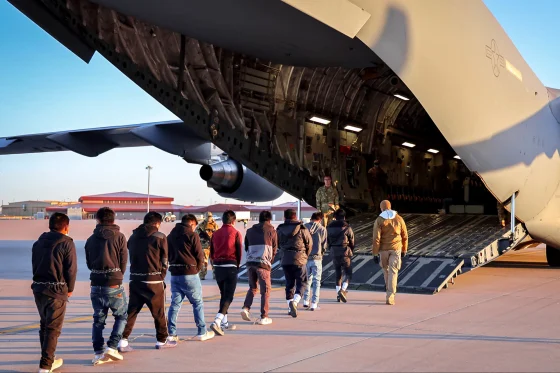
Deportation can have a tremendous impact on individuals and their families. One of the most distressing consequences is family separation. Many deportees are parents, spouses, and children of U.S. citizens or lawful permanent residents, and often, removals divide families. This type of separation also creates traumatic interruptions in people’s lives, to lose jobs, and leave schools. In some cases, deportees are transported back to dangerous situations, where they may end up being tortured, persecuted, or living in extreme poverty. The psychological effects of deportation are also distressing, many deportees experience depression, anxiety, and other long-lasting trauma and stress, especially children.
Deportation also has considerable economic consequences. Critics contend that transferring undocumented immigrants who work in agriculture, construction, hospitality, and other sectors, is financially harmful to our economy. These contributors usually pay taxes, and support the local economy. Conversely, proponents of stringent immigration enforcement argue that deportation policies are necessary to enforce the law, public safety, and the national borders. A community or country cannot allow individuals who have broken the law to reside with them, this erodes the legal system altogether.
Disputes over deportation practices generally exist within a larger political context. In the United States, immigration enforcement has become very polarized. Opponents of deportation practices point to safety and enforcement of our borders, advocates for humane treatment of individuals, legal protections under our existing laws, and pathways to citizenship, especially for people who entered the u.S. as children, for the people protected under are Deferred Action for Childhood Arrivals (DACA) program, portray the other view. People take really strong exception when they have specific knowledge of individuals caught in limbo after multiple years living in the u.s., and their relationships with established local communities. The issue of deportation is very complicated and contested. Because it was intended to forward a legal function as an enforcement of immigration laws, deportation raises issues of humanitarianism and economics. Many want to reform immigration laws to protect justice, family connectedness and to deal with root issues that may compel people to migrate. The movement of people around the world will continue to be seen and even escalate, with states enacting deportation thereby creating a unique relationship between immigration policy and human right